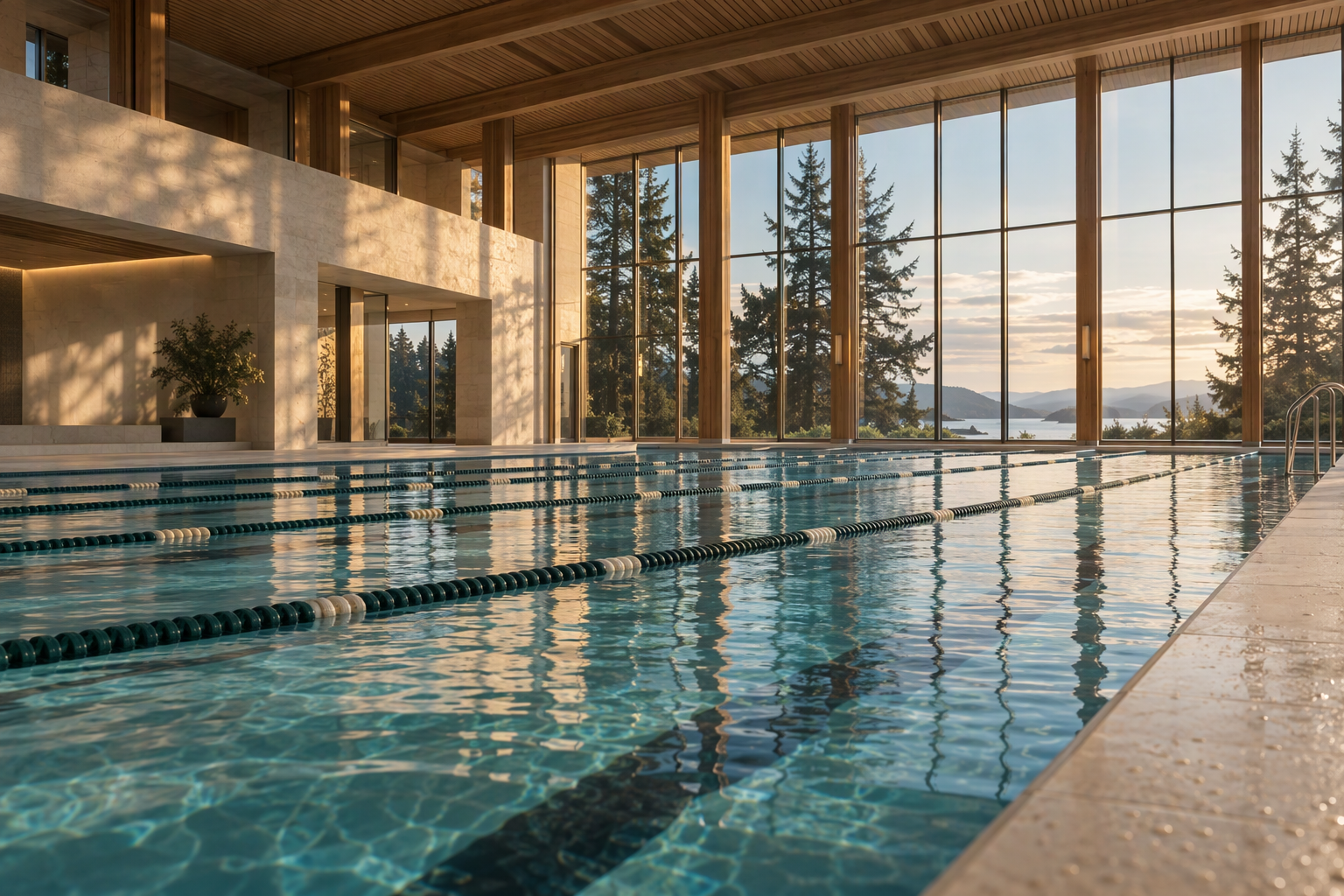
A lane is a shared space
Swimming · 2023–24
Sharing a lane is more than avoiding a collision. It means noticing where others are waiting, listening when the plan changes and making instructions available to the swimmer who joined after you. A lane works best when nobody has to guess which informal rule the regulars are using today.
Use the session’s arrangement
Direction, spacing and any passing procedure should come from the coach or pool instructions. Do not assume another group uses the same arrangement as yours. If the lane becomes crowded or the task no longer makes sense, raise it rather than inventing a solution that surprises someone behind you. Shared expectations are more useful than individual confidence.
Make room at the wall
The end of a length is also a working space for people who are still swimming. Listen to the directions about where to stop and where to wait for the next task. Keep equipment where it belongs and avoid blocking someone’s route while discussing the set. Small, predictable movements make the lane easier for everyone to read.
Let courtesy include communication
A missed instruction or misunderstanding does not need to become a judgement about another swimmer. Clarify the plan calmly and involve the coach when necessary. Different communication needs, speeds and experience levels can share a session only when the arrangement is understood. Being a good lane neighbour includes recognising when the plan needs explaining again.
Take it to the pool
- Confirm the direction and spacing for this session.
- Follow the instructed waiting arrangement at the wall.
- Ask the coach to resolve uncertainty before it becomes a conflict.